Heat pumps
Heat pump installation in Epsom
The large rooms of an Epsom villa or bungalow are exactly where a heat pump earns its keep. We install heat pumps across Epsom, choose the size and position with you, and do the electrical side ourselves: the circuit, the isolating switch outside and any work the switchboard needs.
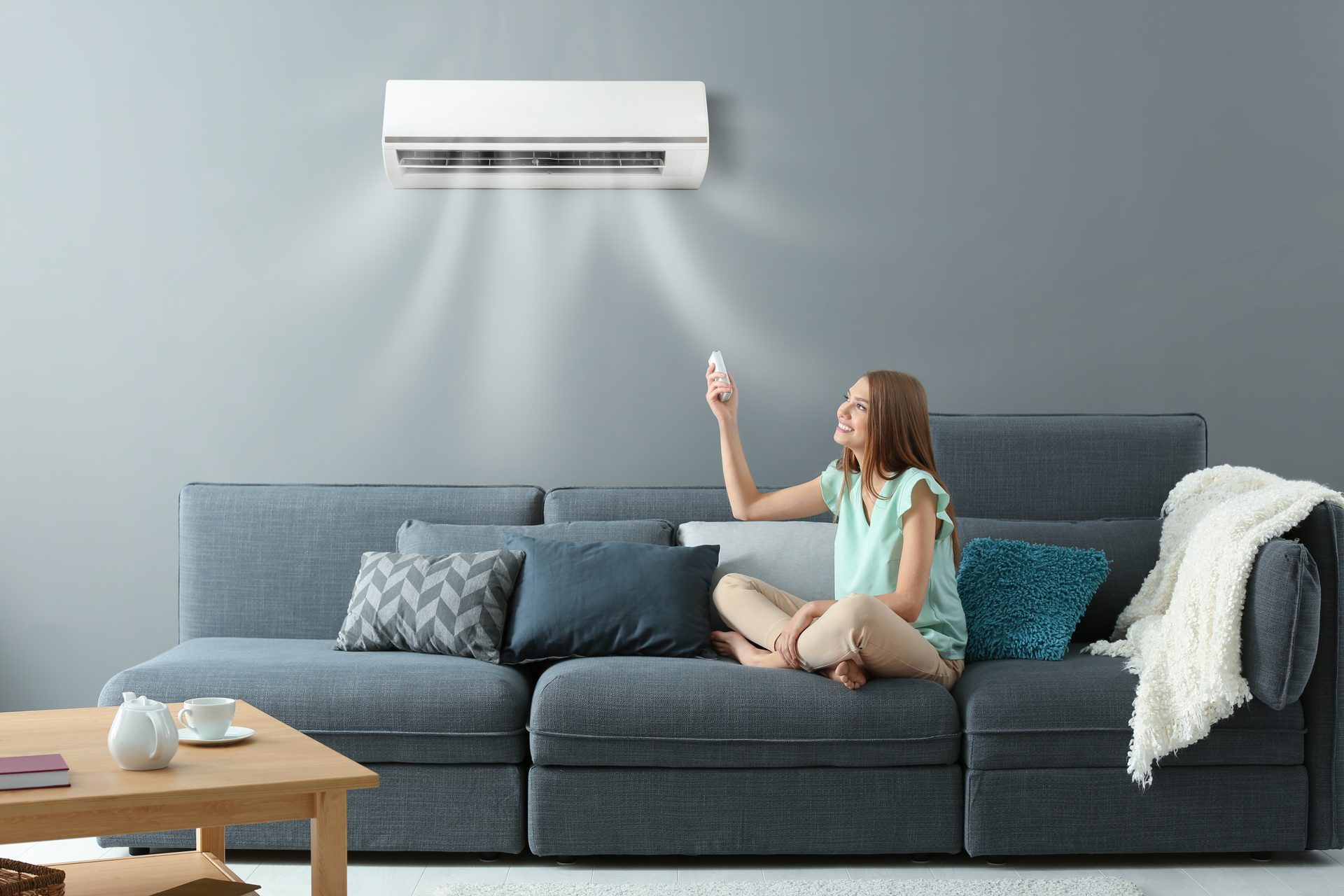
Bigger rooms need the right size of unit
Epsom is known for large period houses, and big rooms are where a heat pump does best. EECA's heating advice is that a heat pump is usually the best option for larger rooms, while a plug-in heater suits a small room or office, and that a good heater in the room you use most makes a big difference.
Size is the decision that matters most. A unit that is too small for a high-ceilinged lounge runs flat out all winter and still leaves the corners cold; one that is far too big costs more than it needs to. The size comes from the room itself: its floor area and ceiling height, how much glass it has, which way it faces, and how well it is insulated. EECA's good practice guide for installers puts correct sizing for the conditions first, then choosing the right unit and installing it correctly.
Insulation comes before heating if you can manage it. EECA's advice is to start with the ceiling, then the underfloor space, because a heat pump in an insulated room does not have to work as hard.
From choosing a spot to switching it on
Pick the room
Usually the room the household spends most time in, often the lounge or an open kitchen and living area.
Choose the size and position
The indoor unit needs a clear run of air across the room. The outdoor unit needs airflow around it, a sensible pipe route and a spot where it can be serviced.
Check the switchboard
A heat pump goes either on an existing circuit with enough spare capacity or on a new circuit of its own. An older board may have no room for a new one, in which case a switchboard upgrade comes first.
Install, connect and certify
The units go in, the circuit and the isolating switch are wired, and the electrical work is tested and certified.
Set it up and settle in
EECA suggests a thermostat no higher than 20 or 21 degrees, which keeps a house warm and dry without wasting power.
Heat pumps on character houses
On a villa or bungalow, where the outdoor unit goes deserves as much thought as the indoor one. Keeping it and its pipework off the street frontage, on a side or rear wall, keeps the front of the house looking the way it should, and a unit tucked against a fence still needs space for air to move and for a technician to reach it.
Inside, the indoor unit is usually mounted high on an external wall so the pipework can pass straight through. In a period house the wall may be timber-lined or old plaster, so fixings go into the framing. If the house still has its old wiring, adding a heat pump is a good moment to look at the circuits it will share a board with, and our house rewiring service can handle both together.
Heat pump questions
Is a heat pump better than a plug-in heater?
For a larger room, usually yes. EECA's advice is that a heat pump is usually the best option for bigger rooms, while a portable electric heater with a thermostat is fine for a small bedroom or office.
What temperature should I set it to?
No higher than 20 or 21 degrees for heating. A timer that warms the room before you need it is more efficient than turning the unit up high when you get home.
Can a heat pump run off my existing wiring?
It can, if one of your circuits has enough spare capacity for the unit; otherwise it needs a new circuit from the switchboard. Which applies, and whether the board has room for a new circuit, is one of the first things we check.
Will it help in summer too?
Yes. EECA suggests trying the fan-only setting with the windows open before full cooling, which uses much less power.
How do I look after it?
Clean the indoor unit's filter every couple of weeks while it is in heavy use, with a vacuum cleaner or warm water, and keep the outdoor unit clear of plants and leaves.
Talk to an electrician about your Epsom home
Call 021 156 4005 at any hour, or send us the details and an electrician will get back to you.
Other electrical work in Epsom
House rewiring
Partial and full rewires for Epsom villas, bungalows and later homes, planned around how the house is built.Read more
Switchboard upgrades
Old fuse boards replaced with modern switchboards that have room for the circuits a household uses today.Read more
LED and garden lighting
LED downlights, pendants and interior lighting, plus path, garden and outdoor lighting for leafy Epsom sections.Read more
Security cameras and alarms
Alarm systems and CCTV cameras for homes and premises, placed to cover your property and not your neighbours'.Read more
TV mounting and aerials
Televisions wall-mounted with the cables hidden, aerials and home entertainment wiring, and data points where you need them.Read more
Emergency electrician
Call-outs 24 hours a day, 7 days a week for power faults, tripping circuits and damaged wiring.Read moreEnquiries
Contact us
Call 021 156 4005, day or night, or leave a message below with your address and what you need done.
021 156 4005- Auckland
- Call-outs at any hour, any day of the week